LEAD Students Explore Creativity, Problem-Solving, and Innovation Through AI Summer School
 This summer, middle school students from LEAD Cameron and LEAD Southeast had the opportunity to explore one of today’s fastest-growing fields through AI Summer School. This was a three-week program designed to introduce students to artificial intelligence through hands-on, meaningful learning experiences. The program was open to rising 6-8 grade students and focused on helping them understand AI as a tool they can use to solve problems, think creatively, and bring their ideas to life.
 “One thing that was really important throughout the program was making sure students stayed in the driver’s seat,” said Kenisha Clark, an Instructional Manager at LEAD Cameron and the AI Summer School program lead. “Creativity and innovation always belonged to the students. AI simply helped them take those ideas even further.”
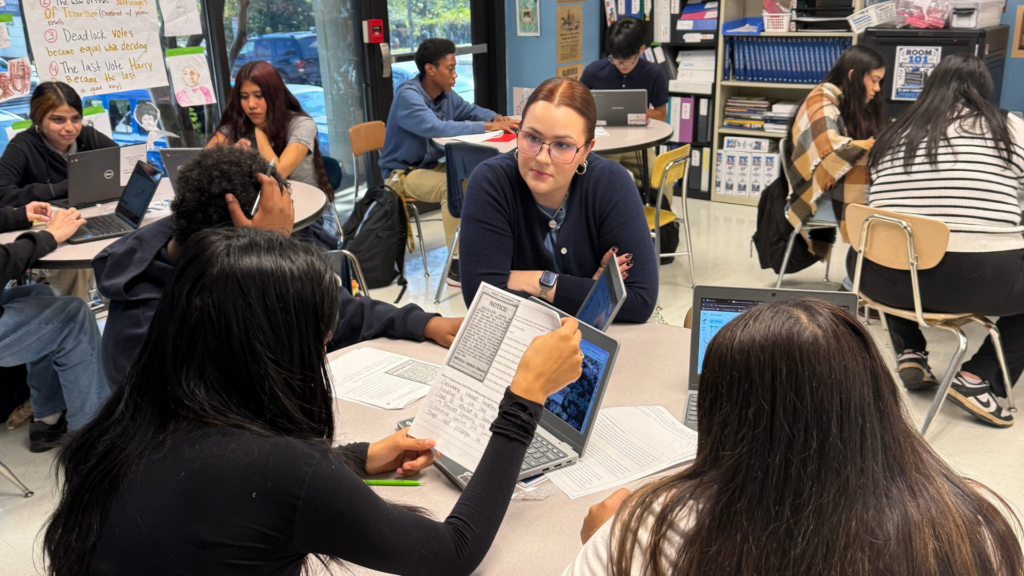
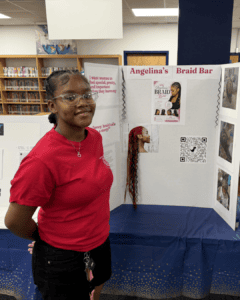
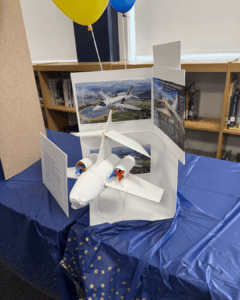
 Over the course of three weeks, students explored a variety of AI tools, completed daily challenges, collaborated with peers,, and developed projects centered around real-world problems they wanted to solve. Students chose topics connected to their personal interests, including healthcare, beauty, fashion, military defense, space exploration, aviation, cars, education, and more. The goal was not for students to become AI experts, but instead was designed to help them see how technology can support their own ideas, strengthen their thinking, and help identify how they can make a difference in areas they are passionate about.
 A highlight of the experience was the program’s partnership with Tennessee State University. Students visited TSU’s AI labs, where they experienced artificial intelligence in creative and interactive ways. During their visits, students created beats and intro themes for hypothetical podcasts, played AI-powered games using computers and virtual reality headsets, coded and raced Sphero robots, and used smart LEGOs to build and program obstacle courses. For many students, the visit was an opportunity to experience AI in ways they hadn’t seen before. The hands-on activities helped students see that artificial intelligence is not just something they hear about online, but is already being used across many fields in ways that are creative, innovative, and relevant to their futures.
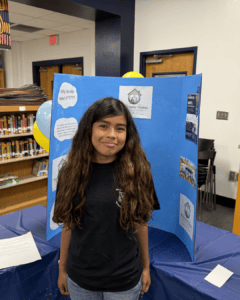
The program ended with a student showcase, where participants presented their final projects and reflected on their learning. Each project allowed students to research a topic, brainstorm solutions, test ideas, revise their thinking, and simply use AI as a thought partner to strengthen their work.
One standout moment came when Jo’liyah Acevedo, a rising eighth grader at LEAD Cameron, shared how her project changed throughout the process. Clark explained that Jo’liyah originally planned to create a film, but when the project did not come together the way she imagined, she chose to pivot and change her project rather than just giving up. Her presentation highlighted more than the final product. It showed her confidence, reflection, and ability to clearly communicate the story she hoped to tell.
“At the end of the showcase, I wasn’t just proud of the projects our students created,” Clark said. “I was proud of the confidence they built, the problems they tackled, and the way they learned to use AI as a tool to support their own thinking instead of replacing it.”
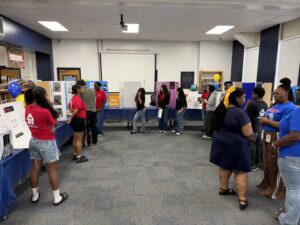 By bringing together students and educators from two different LEAD campuses, the program created a shared learning community where students could collaborate, take creative risks, and explore real-world technology in meaningful ways. Programs and opportunities like this reflect LEAD’s commitment to preparing students not just for the classroom, but for college, careers, and the future ahead. Most importantly, this program reminded students that their voices, ideas, and creativity matter. AI may have been the tool, but LEAD students were the voices and innovators.